Creating an effective go to market strategy for Dubai's e-commerce sector requires understanding the unique characteristics of this dynamic marketplace. After helping numerous businesses launch in this region, I've developed a framework specifically tailored to the Dubai ecosystem.
Market Assessment
According to Dubai Chamber of Commerce, Dubai's e-commerce market is projected to reach $8 billion by 2025. A successful go to market strategy must account for these key characteristics:
97% internet penetration with 91.9% smartphone usage creates an exceptionally digital-ready audience
The market combines affluent expatriates, wealthy Emiratis, and regional consumers
Unlike Western markets, Dubai still sees approximately 40% of transactions via cash on delivery
Consumers expect premium experiences with rapid delivery options
Technical Foundation
Any go to market strategy for Dubai e-commerce must include these platform requirements:
Multi-language support is non-negotiable (English/Arabic at minimum)
Payment gateway integration must include regional options like Telr alongside global standards
Mobile optimization takes precedence over desktop experiences, as confirmed by Statista's UAE data
Localized content that respects cultural nuances performs significantly better
Customer Acquisition
The acquisition component of your go to market strategy should follow this proven structure:
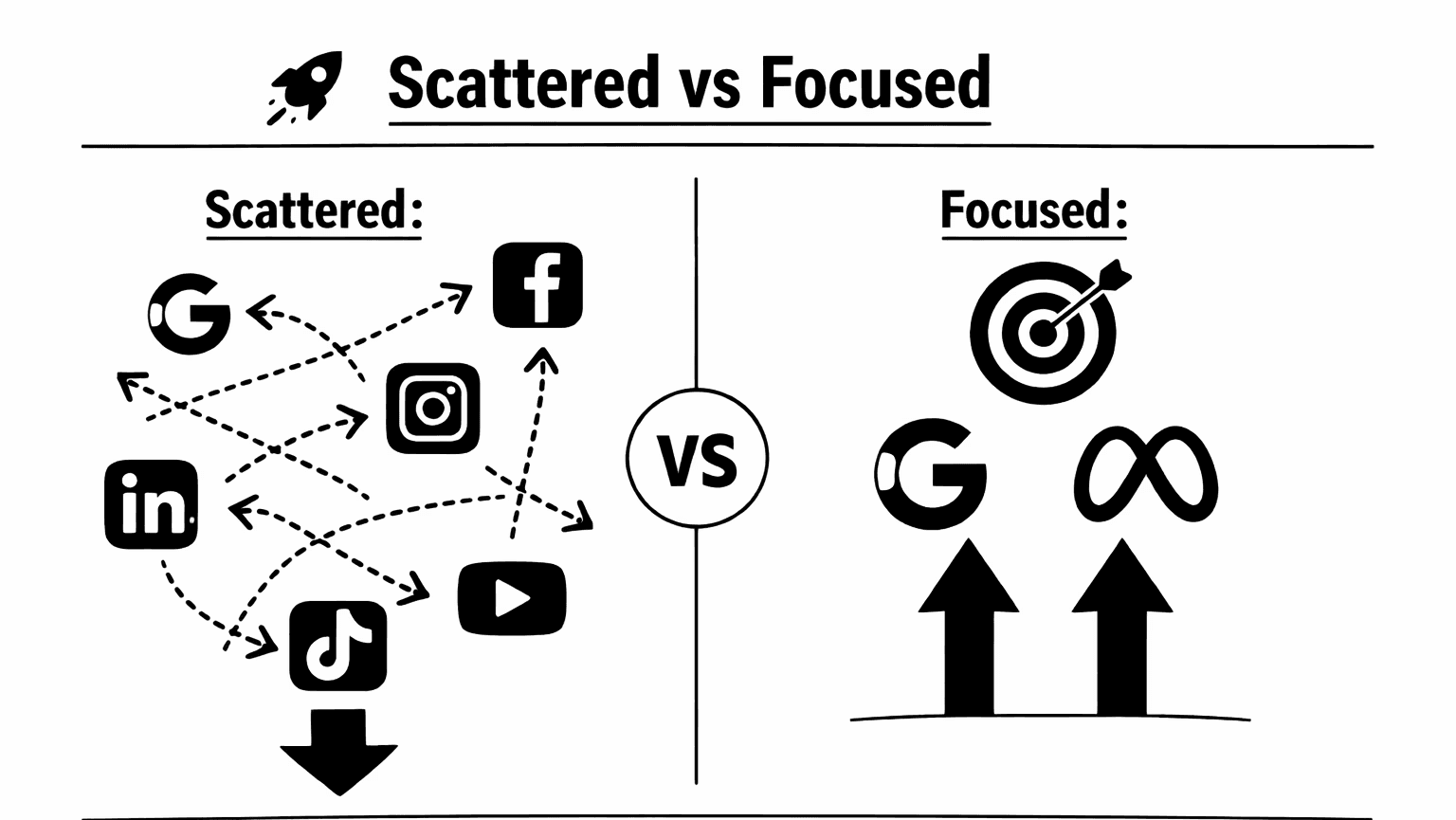
Channel Mix: I typically allocate initial budgets reflecting Dubai's unique channel effectiveness:
Instagram/Facebook (40%)
Google Search/Shopping (30%)
Targeted influencer partnerships (20%)
Programmatic display and video (10%)
This allocation consistently delivers optimal CAC
ratios based on client data and aligns with findings from eMarketer's Middle East Reports.
Targeting Strategy: Having tested numerous audience segments, I've found these parameters deliver highest ROAS:
Geographic micro-targeting (performance varies between neighborhoods)
Custom audiences built from lookalikes of luxury consumers
Interest-based targeting focusing on premium behaviors
Strategic retargeting with dynamic product feeds
Performance Measurement
A data-driven go to market strategy centers on these key metrics:
Cost per acquisition measured against lifetime value forecasts
Blended CAC across channels with attribution modeling
Return customer rate as a primary indicator of product-market fit
Average order value optimization through cross-sell strategies
Implementation Timeline
The go to market strategy should be implemented in these phases:
Foundation (Months 1-3)
Core platform with limited SKUs focused on highest-margin products
Robust analytics framework for performance measurement
Targeted acquisition campaigns to early adopters
Conversion rate optimization before scaling
Acceleration (Months 4-9)
Expand product categories based on performance data
Scale successful acquisition channels while testing new opportunities
Implement loyalty program with Dubai-specific incentives
Develop strategic partnerships with complementary brands
Expansion (Months 10-18)
Extend targeting to wider UAE and GCC markets as outlined by Dubai CommerCity
Introduce subscription models where applicable
Develop app with location-based features
Implement advanced personalization based on customer data
Success Drivers
A differentiated go to market strategy for Dubai should incorporate these critical elements:
Authentication verification in a market concerned with counterfeits
Strategic timing around Ramadan, DSF, and other cultural events
Seamless Arabic language experience (not just translation)
Integration with mall-based experiences, leveraging Dubai Department of Economic Development retail insights
Conclusion
A well-executed go to market strategy for Dubai e-commerce requires balancing global best practices with local market nuances. The businesses that succeed in this dynamic marketplace are those that combine technical excellence with cultural relevance, creating experiences that resonate with Dubai's sophisticated consumers. By following a phased approach that emphasizes proper foundation-building before rapid scaling, e-commerce ventures can establish sustainable growth in one of the world's most promising digital markets. The combination of strategic channel selection, localized user experience, and performance-driven optimization creates a framework for not just entering the Dubai market, but thriving within it.
Creating an effective go to market strategy for Dubai's e-commerce sector requires understanding the unique characteristics of this dynamic marketplace. After helping numerous businesses launch in this region, I've developed a framework specifically tailored to the Dubai ecosystem.
Market Assessment
According to Dubai Chamber of Commerce, Dubai's e-commerce market is projected to reach $8 billion by 2025. A successful go to market strategy must account for these key characteristics:
97% internet penetration with 91.9% smartphone usage creates an exceptionally digital-ready audience
The market combines affluent expatriates, wealthy Emiratis, and regional consumers
Unlike Western markets, Dubai still sees approximately 40% of transactions via cash on delivery
Consumers expect premium experiences with rapid delivery options
Technical Foundation
Any go to market strategy for Dubai e-commerce must include these platform requirements:
Multi-language support is non-negotiable (English/Arabic at minimum)
Payment gateway integration must include regional options like Telr alongside global standards
Mobile optimization takes precedence over desktop experiences, as confirmed by Statista's UAE data
Localized content that respects cultural nuances performs significantly better
Customer Acquisition
The acquisition component of your go to market strategy should follow this proven structure:
Channel Mix: I typically allocate initial budgets reflecting Dubai's unique channel effectiveness:
Instagram/Facebook (40%)
Google Search/Shopping (30%)
Targeted influencer partnerships (20%)
Programmatic display and video (10%)
This allocation consistently delivers optimal CAC
ratios based on client data and aligns with findings from eMarketer's Middle East Reports.
Targeting Strategy: Having tested numerous audience segments, I've found these parameters deliver highest ROAS:
Geographic micro-targeting (performance varies between neighborhoods)
Custom audiences built from lookalikes of luxury consumers
Interest-based targeting focusing on premium behaviors
Strategic retargeting with dynamic product feeds
Performance Measurement
A data-driven go to market strategy centers on these key metrics:
Cost per acquisition measured against lifetime value forecasts
Blended CAC across channels with attribution modeling
Return customer rate as a primary indicator of product-market fit
Average order value optimization through cross-sell strategies
Implementation Timeline
The go to market strategy should be implemented in these phases:
Foundation (Months 1-3)
Core platform with limited SKUs focused on highest-margin products
Robust analytics framework for performance measurement
Targeted acquisition campaigns to early adopters
Conversion rate optimization before scaling
Acceleration (Months 4-9)
Expand product categories based on performance data
Scale successful acquisition channels while testing new opportunities
Implement loyalty program with Dubai-specific incentives
Develop strategic partnerships with complementary brands
Expansion (Months 10-18)
Extend targeting to wider UAE and GCC markets as outlined by Dubai CommerCity
Introduce subscription models where applicable
Develop app with location-based features
Implement advanced personalization based on customer data
Success Drivers
A differentiated go to market strategy for Dubai should incorporate these critical elements:
Authentication verification in a market concerned with counterfeits
Strategic timing around Ramadan, DSF, and other cultural events
Seamless Arabic language experience (not just translation)
Integration with mall-based experiences, leveraging Dubai Department of Economic Development retail insights
Conclusion
A well-executed go to market strategy for Dubai e-commerce requires balancing global best practices with local market nuances. The businesses that succeed in this dynamic marketplace are those that combine technical excellence with cultural relevance, creating experiences that resonate with Dubai's sophisticated consumers. By following a phased approach that emphasizes proper foundation-building before rapid scaling, e-commerce ventures can establish sustainable growth in one of the world's most promising digital markets. The combination of strategic channel selection, localized user experience, and performance-driven optimization creates a framework for not just entering the Dubai market, but thriving within it.